What is my house design style? Find yours fast and easily
Curious what is my house design style? Discover your vibe with a quick quiz and practical tips to visualize it at home.
Ever find yourself looking around your living room, or scrolling through endless pictures of beautiful homes online, and thinking, "What exactly is my style?"
It's a question we all ask. You know what you like when you see it, but putting a name to it? That can be tough.
Is it Modern? Farmhouse? Something in between? Pinpointing your home's design style feels like a crucial first step before you can start making any real changes, whether you're planning a full-scale renovation or just a simple refresh.
Think of it like getting to know a person. Every house has its own personality, a unique story told through its architecture, its colors, and the objects within it. Understanding that personality is the key to making it truly feel like home.
This guide is here to help you do just that. We'll walk through everything you need to decode your home’s current style and, more importantly, figure out what you want it to be.
What Is a House Design Style, Anyway?
At its core, a house design style is simply a collection of common threads—colors, shapes, materials, and historical influences—that come together to create a distinct look and feel.
It’s the visual language that gives a space its character. Think of it as a recipe: the ingredients (furniture, colors, textures) and the cooking method (how you arrange them) determine whether you end up with a spicy, eclectic dish or a comforting, classic one.
From the clean, sharp lines of a Modern high-rise to the cozy, rustic charm of a Farmhouse kitchen, each style has its own set of rules and signature elements.
But here’s the thing: styles aren't rigid boxes. Most homes today are a beautiful blend of two or three different aesthetics. Maybe you love the raw, exposed brick of an Industrial loft but also crave the soft, plush textiles of a Bohemian retreat. That's perfectly fine! In fact, that's what makes your space uniquely yours.
Knowing the "official" styles isn't about forcing yourself into a category. It’s about giving you a vocabulary to describe what you love and a roadmap to create a space that feels cohesive and intentional.
The 7 Most Popular House Design Styles
While there are dozens of substyles out there, most of them fall under a few major umbrellas. Let's get familiar with the 7 most common design styles you'll see today. As you read, notice which ones you're naturally drawn to.
1. Modern
Modern design is all about simplicity. Think clean, straight lines, a lack of clutter, and a "less is more" philosophy. It's often confused with contemporary design, but Modern specifically refers to the design movement that started in the early 20th century.
- Key Features: Neutral color palettes with pops of primary colors, natural materials like wood and leather mixed with metal, and a strong emphasis on horizontal and vertical lines. Furniture is often raised off the floor on sleek legs, creating a sense of spaciousness.
2. Mid-Century Modern
A true fan favorite, Mid-Century Modern (or MCM) is a specific branch of the Modern movement that was popular from roughly 1945 to 1969. It's a bit more playful and organic than its parent style. If you love shows like Mad Men, you're already familiar with this aesthetic.
- Key Features: Organic and geometric shapes, a mix of natural and man-made materials (think plastic chairs and teak sideboards), and a seamless connection to nature, often with large windows.
3. Farmhouse
Farmhouse style is all about creating a cozy, welcoming, and practical atmosphere. It’s inspired by traditional farm life but has been updated for today’s homes (you might hear the term "Modern Farmhouse"). It feels comfortable, lived-in, and unpretentious.
- Key Features: Reclaimed wood, shiplap walls, apron-front sinks (also called farmhouse sinks), vintage accessories, and a neutral color scheme of whites, grays, and blacks. Comfort is king.
4. Scandinavian (Scandi)
Hailing from the Nordic countries, Scandinavian design is known for its simplicity, minimalism, and functionality. It’s often described by the Danish concept of hygge, which means creating a cozy, contented atmosphere. It’s clean and bright, but with a focus on warmth and comfort.
- Key Features: A predominantly white color palette, light-toned woods (like ash and birch), an abundance of natural light, and cozy textiles like wool and shearling. Clutter is a big no-no.
5. Industrial
Just like it sounds, Industrial style takes its cues from old factories, warehouses, and other urban spaces. It's raw, edgy, and masculine, celebrating the beauty of unfinished materials and utilitarian objects.
- Key Features: Exposed brick walls, visible ductwork and pipes, polished concrete floors, and a mix of wood and metal. Furniture is often minimalist and functional, with a weathered or vintage feel.
6. Traditional
Traditional design is timeless and elegant. It draws inspiration from 18th and 19th-century European decor, creating spaces that feel orderly, calm, and classic. Think of a well-curated, comfortable home that never goes out of style.
- Key Features: Ornate details, dark woods, rich color palettes, and luxurious fabrics like silk and velvet. Furniture often comes in matching sets, and symmetry is a key principle in arranging a room.
7. Bohemian (Boho)
Bohemian style is the free spirit of the design world. It’s eclectic, personal, and breaks all the rules. The focus is on creating a relaxed, layered space filled with things you love—souvenirs from your travels, vintage finds, and handmade items.
- Key Features: A vibrant mix of patterns, colors, and textures. You’ll see lots of plants, macrame, rattan furniture, and textiles from around the globe. It's more about a feeling than a formula.
How to Find Your Own House Design Style
Alright, now for the fun part: figuring out which of these (or which combination) speaks to you. It's a discovery process, and there's no right or wrong answer. Here’s a simple, step-by-step approach to get you started.
Step 1: Look for Clues in Your Closet
Believe it or not, your fashion sense often mirrors your interior design preferences. Open your closet. What do you see?
- If it’s full of tailored, high-quality basics in neutral colors, you might lean toward Modern or Traditional styles.
- If you love flowy fabrics, earthy tones, and unique accessories, your heart might be with Bohemian design.
- A closet filled with simple, comfortable, and functional pieces in black, white, and gray could point to a love for Scandinavian or Industrial aesthetics.
Step 2: Pay Attention to Your Inspirations
Think about the spaces you're naturally drawn to. When you're scrolling through Pinterest or Instagram, what images make you stop and save?
Create a mood board—either a physical corkboard or a digital one on Pinterest. Don’t overthink it. Just start pinning or clipping images of rooms, furniture, colors, and even textures that catch your eye. You can learn exactly how to create a moodboard in our detailed guide.
After you’ve gathered 20-30 images, take a step back and look for patterns.
- Are most of the rooms bright, airy, and white? You might be a Scandinavian fan.
- Do you see lots of raw wood, metal, and exposed brick? Industrial is likely your jam.
- Is there a ton of color, pattern, and plants? You're probably vibing with Boho.
Step 3: Take Our "What's My Style?" Mini-Quiz
Answer these quick questions to get a better sense of your design personality. Just jot down your answers and see where you land.
- Pick a color palette: a) White, cream, and light gray. b) Warm woods, orange, and olive green. c) Black, white, and raw materials. d) A wild mix of jewel tones and earthy shades.
- Your ideal sofa is: a) Simple, functional, and comfortable. b) Low-profile with clean lines and tapered legs. c) A classic shape with elegant details. d) Covered in plush pillows and colorful throws.
- The perfect weekend for you is: a) Organizing your home and enjoying a quiet, clutter-free space. b) Shopping for vintage finds at a flea market. c) A DIY project, like building a pipe shelf. d) Hosting a casual get-together with friends in your garden.
- You prefer art that is: a) A single, large abstract piece. b) Graphic prints from the 1960s. c) A classic oil painting in an ornate frame. d) A gallery wall of mismatched frames and personal photos.
- Your dream home has: a) Huge windows and tons of natural light. b) A cool, retro vibe with an open floor plan. c) Exposed brick walls and high ceilings. d) A cozy, lived-in feel with lots of plants.
Quiz Results:
- Mostly A's: You're likely drawn to Scandinavian or Modern design.
- Mostly B's: Mid-Century Modern is right up your alley.
- Mostly C's: You appreciate Industrial or Traditional elements.
- Mostly D's: You're a true Bohemian at heart!
If your answers were all over the place, that's great too! It just means you have an eclectic style, which is a beautiful mix of your favorite things.
Quick Style Identifier
Still not sure? This little table can help you connect the dots between what you love and the style it might be called.
| If You Love... | Your Style Might Be... |
|---|---|
| Simplicity, clean lines, and clutter-free spaces | Modern |
| Retro vibes, organic shapes, and a Mad Men aesthetic | Mid-Century Modern |
| Cozy, rustic, and welcoming vibes | Farmhouse |
| Light, bright, and functional minimalism | Scandinavian |
| Exposed brick, raw materials, and a warehouse feel | Industrial |
| Timeless elegance and classic, ornate details | Traditional |
| A mix of patterns, colors, and a free-spirited feel | Bohemian |
Remember, this is just a starting point. The best designs often borrow elements from multiple styles to create something truly personal and unique.
Next Steps: Bringing Your Style to Life
Okay, you've done the detective work and have a name (or two) for your design style. Now what?
- Start Small: You don't have to overhaul your entire house overnight. Begin with one small area, like a reading nook or an entryway.
- Source Products: Now that you have a style in mind, it's much easier to shop for furniture and decor. Use keywords like "Scandinavian vase" or "Bohemian rug" to narrow your search.
- Visualize the Change: It can be hard to imagine how a new piece of furniture or a different wall color will look in your space. This is where aiStager becomes your superpower. As the only solution generating hyper-realistic photos with true dimension rooms and furniture, you can test ideas with total confidence. In just a few clicks, you can place a new product in your room just by uploading a photo of the room and a link to the product, letting you test different sofas, colors, and finishes before you commit.
Defining your style is a journey, not a destination. It will evolve as you do. The most important thing is to create a home that supports your lifestyle and makes you happy.
A Tour of Today’s Most Popular Interior Design Styles
So, what is your house design style? To figure that out, you first need to speak the language of design. Let’s walk through some of the most popular styles out there, looking past the labels to understand the feeling each one is meant to evoke. Think of these not as rigid rules, but as starting points—a menu of ideas to help you craft a space that feels like home.
We’ll explore the key ingredients of each style, from the plush fabrics of Traditional design to the sunny, relaxed vibe of Californian Coastal. This will help you start noticing the specific elements you find yourself drawn to again and again.
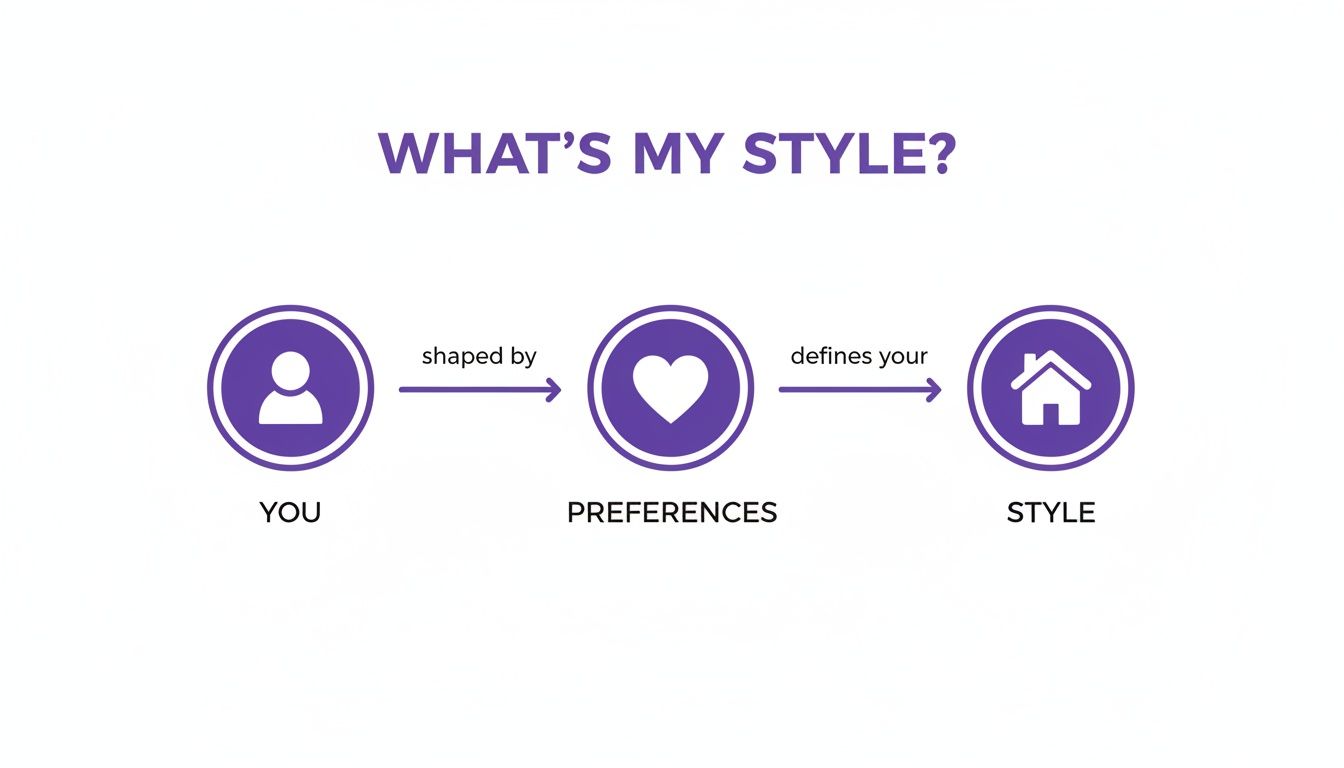
This simple diagram says it all: finding your style isn't about picking a name from a list. It’s a natural result of understanding what you already love. Let's see which of these popular styles speak to you.
Traditional and Modern Styles
Traditional design is all about creating a sense of timeless elegance. It pulls inspiration from classic European decor, so you’ll see lots of ornate details, rich color palettes, and luxurious fabrics. Symmetry and order are huge here, resulting in spaces that feel calm, stately, and put-together—much like a historic East Coast brownstone or a cozy Southern home.
On the other end of the spectrum, Modern design is built on the philosophy of "less is more." It’s all about clean lines, neutral colors, and keeping surfaces free of clutter. A classic modern move is using furniture with raised legs, like a sleek sectional from Room & Board, which creates a feeling of airiness and space. To dig deeper, you can learn more about key interior design concepts and see how they form the foundation for these styles.
Organic and Textural Aesthetics
A major offshoot of Modernism and a perennial favorite is Mid-Century Modern (MCM). This style is celebrated for its organic shapes, warm wood tones, and how it blurs the line between indoors and out. It manages to feel both retro and completely current, mixing fun, sculptural forms with practical, everyday design, like an iconic Eames Lounge Chair.
Scandinavian design also values simplicity and function, but with a big dose of coziness—what the Danish call hygge. Think light woods, bright whites, and plenty of soft textiles that make you want to curl up with a good book. It’s minimalist, but in a very warm and inviting way.
Rustic and Expressive Styles
Farmhouse style is all about that practical, welcoming vibe inspired by country living. It’s defined by elements like reclaimed wood, shiplap walls, and comfortable, lived-in furniture that looks like it has a story to tell, like a big dining table from Magnolia Home. The goal is a space that feels both rustic and thoughtfully refined.
If you’re drawn to a more urban, edgy look, you might be a fan of Industrial design. This style takes its cues from old warehouses and city lofts, celebrating raw materials like exposed brick, metal ductwork, and concrete floors for a look that's wonderfully utilitarian.
And finally, there's Bohemian (Boho)—the free-spirited rule-breaker of the design world. This style is a deeply personal and eclectic mix of vibrant patterns, tons of plants, and textiles gathered from travels. It’s less about following a formula and more about creating a relaxed, layered space that tells your unique story.
Spotting the Rise of New Aesthetics in 2026
Beyond the styles we all know and love, there’s always something new bubbling up. Interior design never stands still, and the trends that emerge often tell a story about where we are as a culture. Right now, one of the most exciting new directions is Neo Deco.
Think of it as a modern callback to the Roaring Twenties, but with a fresh twist. After years of minimalist, clean-slate design, many of us are craving spaces with more personality, drama, and a touch of glamour. Neo Deco is the answer. It trades simple forms for bold geometric patterns, rich jewel tones, and the luxe gleam of brass and gold.
We're talking scalloped velvet headboards, eye-catching chevron floors, and moody, sultry color palettes that wrap you in lavish comfort. It’s all about making a statement.
The Comeback of Bold Glamour
This isn't just a feeling; the numbers back it up. Pinterest's annual forecast revealed that searches for "Neo Deco" shot up by over 150% in the last year alone. People are actively looking for that blend of 1920s glamour and modern sensibility.
This trend is also making waves in the real estate world. JLL's Global Design Perspectives 2026 report found that listings with Neo Deco features are seeing 18% faster sales and fetching 12% higher offers. You can dive deeper into what’s on the horizon in this detailed 2026 forecast.
The move toward more decorative and textured surfaces is a huge part of this shift. Understanding The Rise Of Terrazzo Look Tiles in home decor, for instance, gives you a peek into this larger movement.
Test Driving Trends Without the Risk
So, you love the idea of Neo Deco, but you're wondering if that dramatic, jewel-toned sofa would actually work in your living room. This is where trying things out becomes crucial, but it doesn't have to mean costly mistakes or endless guessing games.
This is exactly what aiStager was built for. It lets you confidently experiment with bold new looks before you commit. As the only solution that generates hyper-realistic photos using the true dimensions of your room and the furniture, you can see exactly how a new style will look and feel.
For example, you could snap a photo of your room, find a stunning Art Deco-inspired velvet sofa from a brand like CB2, and instantly see it in your space. Curious if you should go with emerald green or sapphire blue? Just upload a photo and a link, and in a few clicks, you can place multiple options in your room to compare different colors and finishes. It’s the perfect way to embrace a new trend with total confidence.
The Big Shift to Warm and Moody Interiors
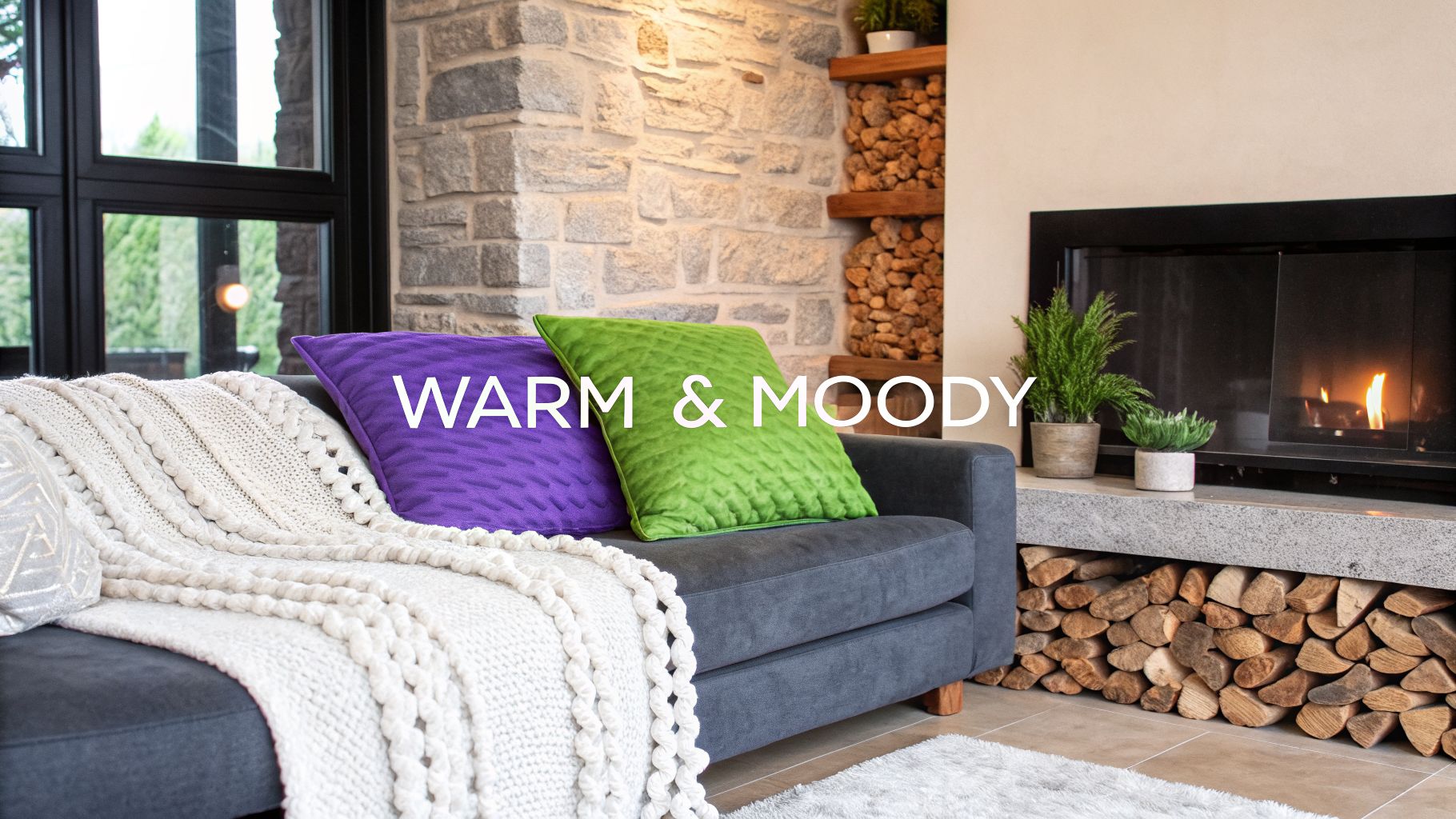
Something interesting is happening in home design. For a long time, the go-to look was all-white minimalism. But people are starting to move away from those cold, sterile spaces. We’re seeing a real desire for interiors that feel warm, layered, and deeply personal.
The era of all-white-everything is definitely on its way out. In its place, we're seeing moody color palettes and rich, touchable materials take center stage. This isn't just about looks; it's about creating a home that feels like a genuine sanctuary—a comfortable and authentic escape from the world outside.
It’s All About Tactile, Authentic Materials
This hunger for warmth has brought a new focus to materials you can actually see and feel. Think "lived-in luxury." It’s all about creating an inviting atmosphere through textures and natural elements you want to reach out and touch.
- Boucle Fabrics: You’ve probably seen these plush, looped fabrics on sofas and accent chairs. They practically beg you to sit down and get cozy. A popular example is the Gwyneth Boucle Chair from CB2.
- Natural Stone: Countertops and accents made from materials like Dekton® bring an organic, earthy feel indoors with their beautiful, complex patterns.
- Rich Woods: Darker wood tones are making a huge comeback, adding a sense of depth and history to everything from floors to furniture.
We’re even seeing this trend pop up in newer styles like Japandi—a blend of Scandinavian simplicity and Japanese warmth—and Cotswoldcore, which pulls its charm from the rustic English countryside. Both styles champion natural materials and a feeling of grounded comfort, not sterile perfection.
A recent analysis highlighted just how much things are changing. Dwell reported that a staggering 60% of designers are now moving away from white palettes, with white paint being used in only 10% of new projects. Instead, bold, atmospheric colors are showing up in 75% of designs to create a real emotional connection. This approach isn't just for looks—it boosts a home's perceived value by 28% with tactile materials and even cuts buyer returns by 22% in virtual previews. You can read the full breakdown of these 2026 home design trends on Dwell.com.
Test Drive the Warmth with AI
The biggest hurdle with moody colors and rich textures? Commitment. It’s one thing to love a deep green paint swatch, but how will it really feel across an entire bedroom? Will that gorgeous brown leather sofa from Joybird make the room feel cozy or just... dark? This is where seeing it first makes all the difference.
You can test these ideas without any risk using a tool like aiStager. It’s the only solution out there that generates truly hyper-realistic photos using the real dimensions of your room and the furniture you’re considering. It lets you experiment with total confidence. Just upload a photo of your space and a link to a product you’re eyeing.
In just a few clicks, you can virtually place a new sofa in your living room and see exactly how it fits. aiStager is great to test different types of the same product, like swapping out different sofa brands to compare how a boucle fabric looks next to a leather finish, and trying out different colors to find the perfect shade. It’s the easiest way to build your warm, inviting style, one piece at a time.
A Simple Quiz to Pinpoint Your Personal Style
Okay, enough theory. Let's get to the fun part! If you're still wondering, "what is my house design style?" this quick visual quiz is designed to give you a much clearer picture. Think of it as a fun little game to decode your design DNA.
Don't overthink it—just go with your gut reaction. Your answers will point toward a primary style, but you might also find a secondary one peeking through. That's perfectly normal! The best designs are almost always a personal mix. Just grab a piece of paper or open a note on your phone and jot down your choice (A, B, C, or D) for each question.
Uncovering Your Style DNA
1. You're shopping for a new sofa. Which one catches your eye first?
- A) A sleek, low-profile leather sectional, something like the Sven from Article.
- B) A plush, cozy couch with classic roll arms and a soft linen fabric from a place like Pottery Barn.
- C) A cool, vintage-inspired piece with those iconic tapered legs and a fun, textured fabric.
- D) A big, relaxed, and oversized sofa just begging to be piled high with mismatched pillows and comfy throws.
2. What's your dream color palette for a room?
- A) Crisp whites, light-toned woods, and soothing, serene grays.
- B) A moody but balanced mix of exposed brick, raw metal, and rich, warm wood tones.
- C) Earthy greens, warm oranges, and the beautiful, deep glow of teak wood.
- D) A vibrant, eclectic collection of jewel tones, bold patterns, and lots of natural textures.
3. What kind of art would you hang in your living room?
- A) A single, large, and impactful minimalist abstract painting.
- B) A cool collection of framed vintage maps or old architectural blueprints.
- C) A graphic print with bold geometric shapes straight out of the 1960s.
- D) An eclectic gallery wall that mixes personal photos, unique flea market finds, and even a woven textile or two.
4. How do you want your home to feel?
- A) Calm, uncluttered, and incredibly functional. Everything has its place.
- B) Historic and full of character, with a practical, utilitarian vibe.
- C) Organic and optimistic, with a strong connection to nature.
- D) Lived-in, free-spirited, and overflowing with personal stories and memories.
What Your Answers Reveal
Alright, time to tally up your score! Which letter did you find yourself picking most often?
Mostly As: Your heart lies with Scandinavian or Modern design. You crave spaces that are clean, bright, and functional, creating a feeling of calm and intention.
Mostly Bs: You've got an Industrial or Traditional soul. You're drawn to things with a bit of history, texture, and a solid sense of permanence.
Mostly Cs: You're all about that Mid-Century Modern life! You love the organic shapes, warm woods, and designs that feel both perfectly retro and completely timeless.
Mostly Ds: Hello, you Bohemian spirit! Your dream home is a vibrant, personal, and eclectic sanctuary filled with colors, patterns, and treasured objects you've collected along the way.
Did you end up with a mix of letters? That's not just okay—it's fantastic! It means you have an interesting, eclectic taste. The real magic happens when you start blending these elements to create a style that’s uniquely yours.
See Your Style Come to Life with AI Visualization
So, you've finally figured out your home's design style. That's a huge step! But now comes the part that often feels the most daunting: how do you actually apply it without making a costly mistake? This is where technology steps in, taking the guesswork out of decorating and making it genuinely fun.
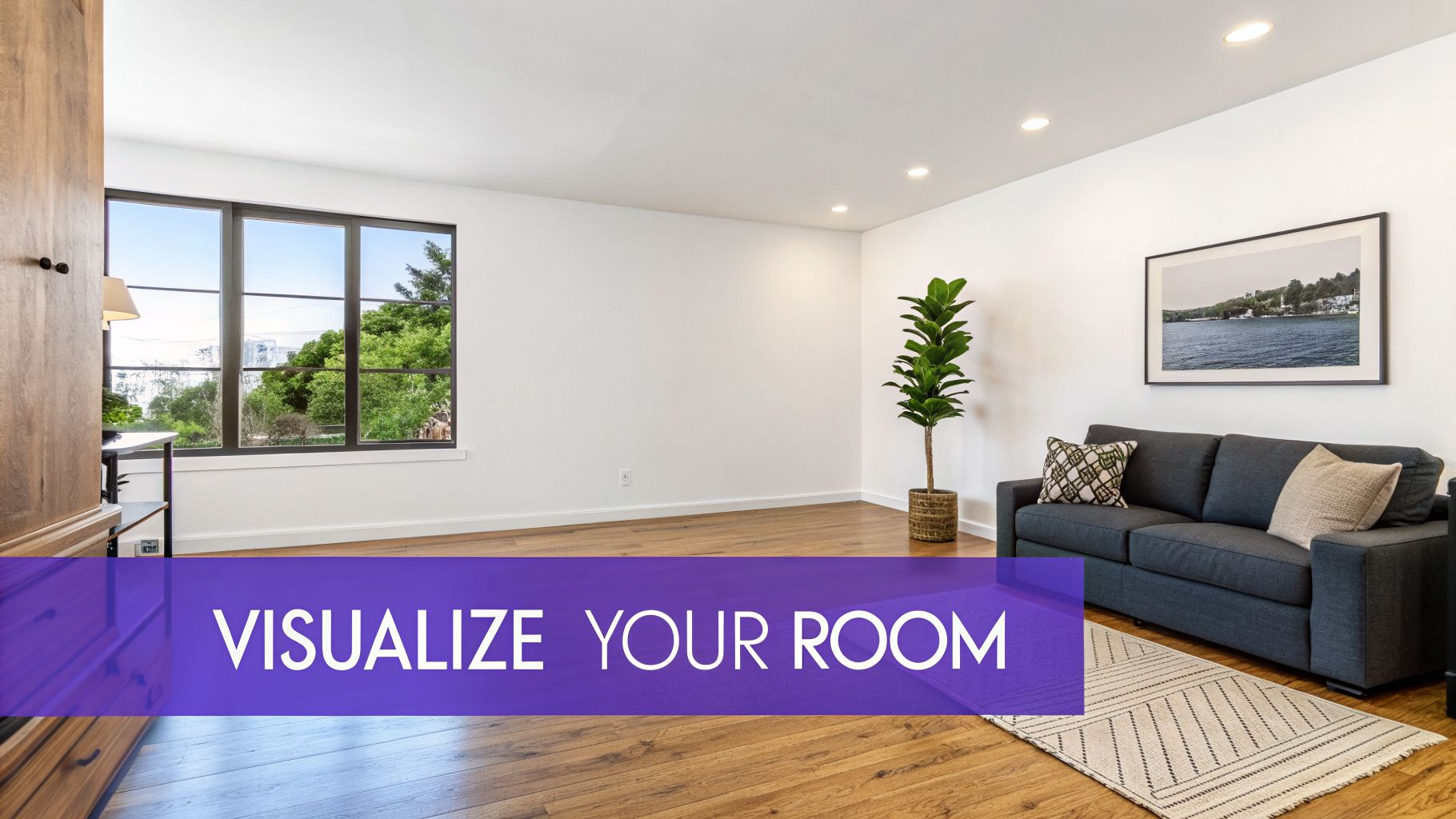
Stop wondering if that gorgeous West Elm sofa will actually work in your space or if the color will clash with your rug. With a tool like aiStager, you can see it for yourself before spending a dime. It’s the only tool that creates hyper-realistic photos using the true dimensions of your room and the specific furniture you're considering.
The process couldn't be simpler. You just upload a photo of your space and paste a link to the product you love. In a few clicks, you get a true-to-scale image showing that exact item right there in your room.
Test and Compare Before You Commit
This is where the magic really happens. You can try out endless options to find the absolute perfect piece for your home.
- Want to see how a plush, velvet sofa from Crate & Barrel compares to a sleek leather one from a smaller brand? You can see both in your room instantly.
- Play with different colors and finishes to find what complements your wall paint and lighting.
- See exactly how a new piece of furniture will look next to the things you already own.
With just a few clicks, you can drop a new product right into your room—all you need is a photo of your space and a link to the product. It’s the perfect way to close the gap between inspiration and reality, letting you feel confident about every single choice.
This kind of visual confirmation takes all the anxiety out of the design process. You can learn more about how to use these incredible AI interior design tools to build your dream room.
And why stop inside? For planning your home's exterior, you can use an AI Landscape Design Tool to map out your outdoor spaces with the same amazing detail.
Your Top Home Design Questions, Answered
As you start digging into the world of design and asking, "what's my house style?" you're bound to have more questions pop up. It's all part of the process! Here are a few of the most common ones I hear, along with some practical advice.
What If I Like More Than One Style?
First off, that’s completely normal! In fact, the most interesting and personal homes are born from mixing styles. Almost no one fits perfectly into a single design box.
The real trick to blending different looks—say, Mid-Century Modern with a bit of Bohemian flair—is finding common ground. You can create a cohesive feel by sticking to a consistent color palette (maybe warm, earthy tones) or by using a particular material throughout the space (like natural wood). The idea is to create a home that feels like you, not a showroom for one specific brand.
How Can I Get The Look On A Budget?
You absolutely don’t need a massive budget to make a statement. The secret is to focus on high-impact changes that don't cost a fortune.
Start with paint and textiles. It’s amazing what a fresh coat of paint, some new throw pillows, or a different area rug can do to change the entire feel of a room. Another pro tip? Swap out those generic, builder-grade light fixtures. Replacing a boring dome light with something that has character, like an industrial metal pendant, can instantly elevate your space.
A gallery wall is another fantastic, budget-friendly move. You can mix inexpensive digital prints with your own photos and treasures to fill a big wall with personality, all without breaking the bank.
How Can I Try Out Different Products In My Room?
This is where visualization tools become a game-changer. Instead of just guessing if that sofa you're eyeing will actually work, you can see it in your room before you commit. It's a lifesaver when you're stuck between a few different options.
With a tool like aiStager, you can "test drive" bigger purchases without any risk. It's the only solution out there that creates hyper-realistic photos using the actual dimensions of your room and the furniture you want. All you do is upload a photo of your space and the product link.
For example, you could see exactly how a velvet sofa from West Elm compares to a leather one from a small boutique. In just a few clicks, you can see how different materials and colors look next to your existing furniture, making sure everything fits together perfectly.
Ready to stop guessing and start seeing? With aiStager, you can bring your design ideas to life with unbelievable realism. Just upload a photo of your room and a product link to see how it looks in your space—true to scale and in seconds. Try aiStager for free and start designing with confidence.