8 Exterior Home Before and After Ideas for 2026
Explore 8 stunning exterior home before and after transformations. Get ideas on paint, landscaping, and more to boost your curb appeal and property value.
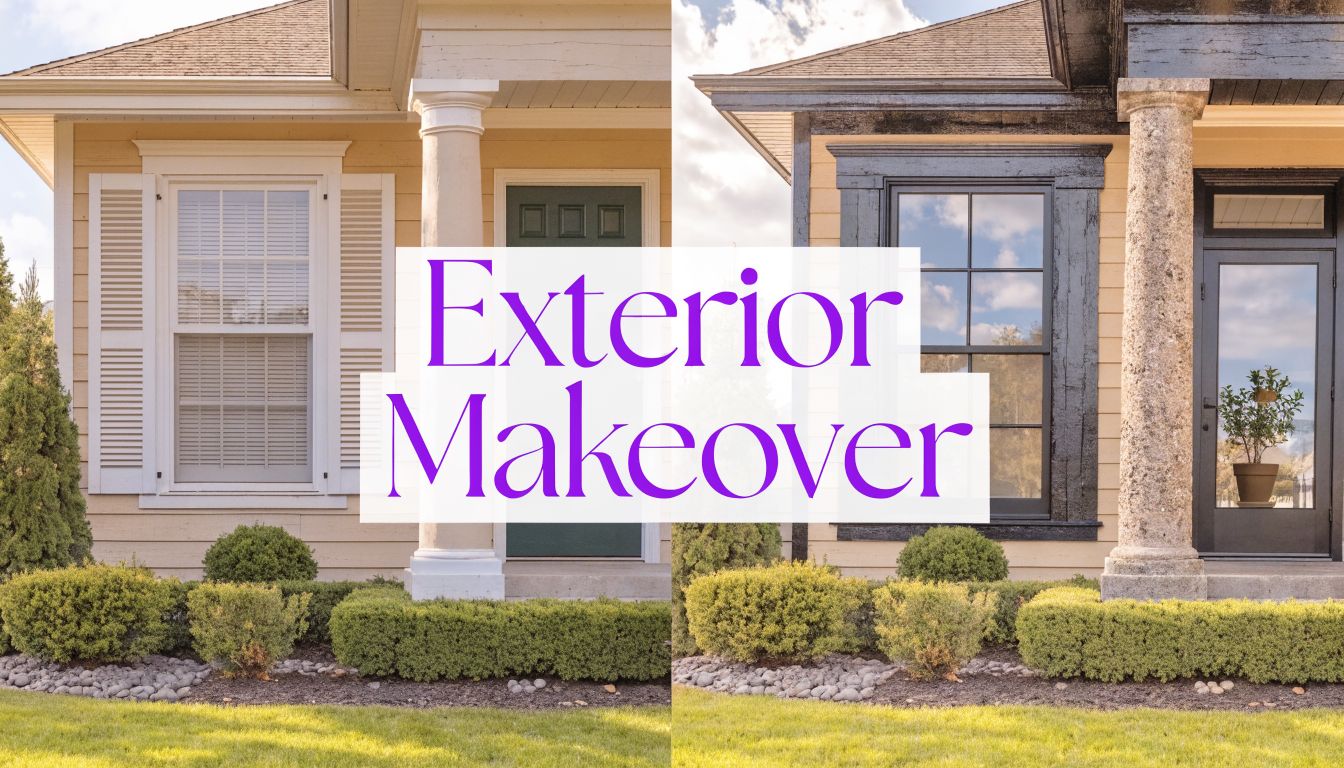
Pull up to almost any listing, and the verdict starts before the key comes out. Buyers notice faded paint, a dark entry, patchy beds, a worn roofline, or a driveway that looks neglected. They also notice the opposite. A clean, intentional exterior home before and after can change how a property feels in seconds, and that first reaction matters.
That’s not just design talk. 92% of REALTORS® recommend improving curb appeal before listing a home, and buyers often form a decision before they ever step inside. For homeowners staying put, the payoff is personal too. Good exterior work makes a house easier to enjoy every day, not just easier to market.
The hard part is choosing the right project in the right order. Paint looks dramatic in photos, but a roof may carry better resale logic. A new patio can improve lifestyle, but poor drainage can turn it into a problem. Landscaping can lift the whole facade, but only if it fits the scale of the house.
If you're planning an upgrade, start with the projects that create visible change and reduce buyer objections. These 2026 Adelaide exterior renovation tips are a useful reminder that the best results come from balancing aesthetics, maintenance, and climate reality.
1. Curb Appeal Paint and Siding Transformation
A paint and siding refresh is often the fastest way to produce a convincing exterior home before and after. It changes the home's character without moving walls or rebuilding structure. On a tired house, that can be enough to reset buyer perception immediately.
The mistake I see most often is treating paint as a color-only decision. It isn't. Color changes massing, highlights or hides trim, and shifts how large the home feels from the street. A deep navy can sharpen a plain facade. A warm off-white can make a low house feel broader and calmer. But if the siding profile is dated or damaged, paint alone won't save it.
What works better than chasing trends
If the cladding is still sound, a full repaint with coordinated trim, shutters, soffits, and front door can do a lot. If the siding is worn out, replacement often makes more sense than coating over problems. Fiber-cement and other durable products tend to photograph well because they give cleaner shadow lines and more consistent texture.
Previewing the scheme before buying materials saves money and regret. A good home exterior visualizer for siding and paint planning lets you test whether a creamy white, charcoal, or muted sage suits your roof, stone, and lot conditions.
Practical rule: Test exterior colors in morning light, late afternoon light, and on an overcast day. One swatch can look calm at noon and muddy by evening.
A useful reference point comes from Renoworks' gallery, where uploaded photos of dated exteriors were redesigned with fiber-cement planks including James Hardie HardiePlank in a 5/16-inch thickness and a 50-year warranty, alongside solar-reflective coatings and coordinated color changes that sharpened the finished look (Renoworks before-and-after exterior gallery).
- Keep the palette tight: Main body, trim, and accent colors usually outperform busy combinations.
- Respect the roof: If the roof stays, the siding and paint need to harmonize with it.
- Photograph the result properly: A strong before-and-after only lands if the after image is bright, level, and clean.
2. Landscape Redesign and Hardscaping
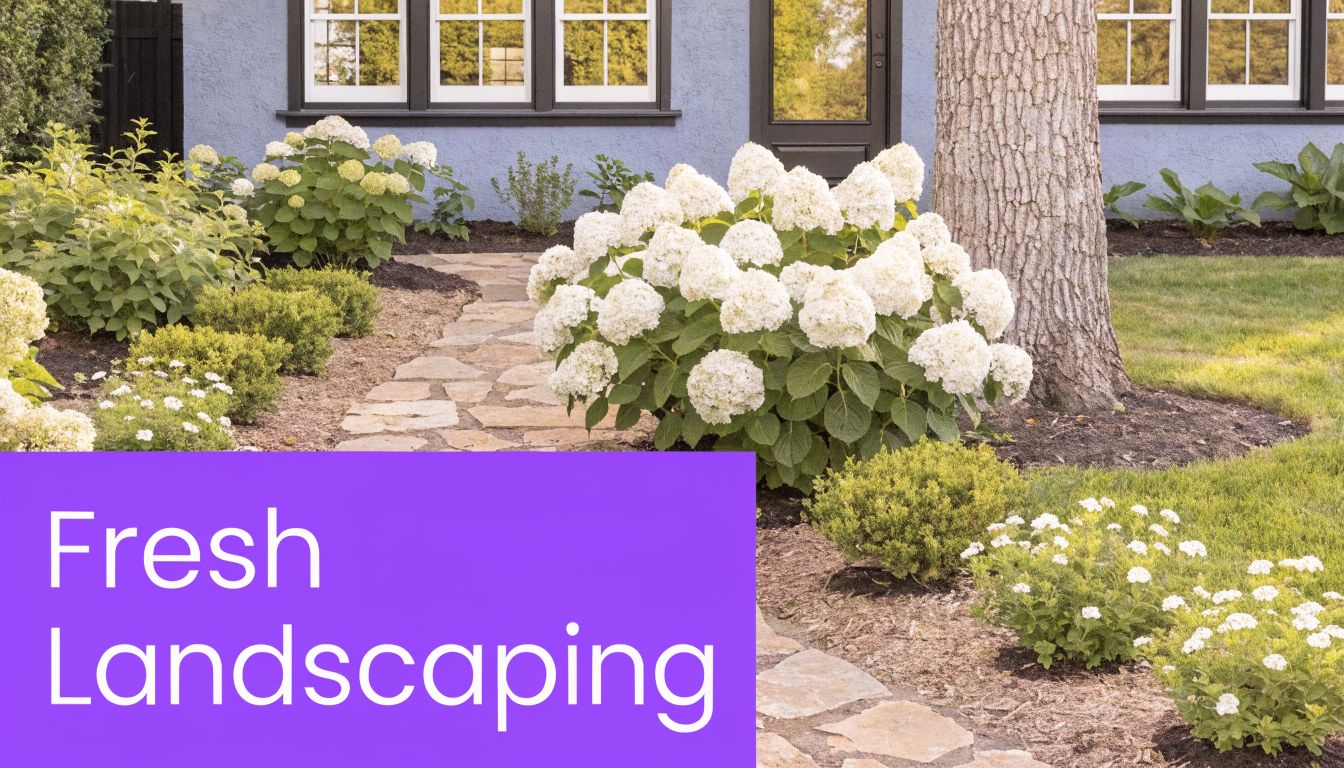
A house can have fresh siding and still look unresolved if the yard sends people the wrong way. I see this constantly. The problem is rarely the plant palette first. It is usually the layout, the grade, and the way the hard surfaces meet the house.

Hardscaping sets the logic of the front yard. Walkways tell visitors where to go. Edging gives beds a finished boundary. Steps and retaining walls handle slope changes that would otherwise create drainage trouble, erosion, or awkward circulation. Once those pieces are right, planting has something solid to work with.
ArchiCGI’s California Prairie-style house study shows this clearly in rendered form. The team started with a sparse structure, then added paved walkways, a manicured lawn, porch seating, balcony chairs, a reflecting pool, and front planting to produce a more convincing composition overall (California exterior visualization case study). That matters for real projects too. The best before-and-after results come from solving how the site works, not from adding decorative features in isolation.
Visualization helps before the first shovel hits the ground. Using AI to generate landscape design ideas from a photo makes it easier to compare a restrained, low-water plan against a more formal layout, and to test whether exterior site changes should be paired with interior upgrades before you commit real money. That is where aiStager adds value for homeowners and real estate teams. It reduces expensive guesswork on both sides of the front door.
Retaining walls are a good example of a project that can either pay off or become a budget sink. A wall that holds grade, widens usable yard space, and improves the approach to the house can earn its cost. A wall added only as a decorative gesture often does not. For practical layout ideas, these innovative retaining wall concepts are useful because they show how structure can improve usability as well as appearance.
Here’s a helpful visual on sequencing outdoor upgrades:
- Fix the bones first: Drainage, grading, walkway alignment, and level changes should be settled before planting plans.
- Match the scale to the house: Tiny shrubs disappear against a tall facade, while oversized beds can swallow a modest front elevation.
- Budget for upkeep: Gravel, turf, hedges, lighting, and irrigation all carry maintenance costs after install.
- Use before-and-after planning strategically: Exterior changes often affect interior value perception too, especially when the front approach, sightlines, and entry sequence feel more intentional.
3. Entryway and Door Replacement
If the budget is tight, the entry is often the smartest place to focus. A new front door, better hardware, improved sconces, and a cleaned-up stoop can create a strong exterior home before and after without touching the whole house.

Design discipline matters. The best doors don't scream for attention. They anchor the elevation. A natural wood slab can warm up a modern facade. A painted panel door can give a simple colonial or cottage house a focal point. Oversized hardware helps, but only when it matches the home's style.
Small changes that read as expensive
You don't need a grand porch to make an entry memorable. Often the key upgrade is a cleaner composition.
- Use one clear focal point: Door color, sidelights, or a covered stoop. Not all three competing at once.
- Upgrade the hardware together: Lockset, handle, knocker, and house numbers should feel related.
- Light the threshold well: Evening photos improve when the entry glows instead of disappearing.
A front entry should feel easy to approach. If guests hesitate about where to walk or where to stand, the design isn't resolved yet.
Weatherproofing matters more than style boards suggest. A beautiful door with poor sealing, weak threshold details, or undersized overhangs starts aging fast. If you're replacing the slab, fix the sill, caulk lines, trim details, and porch lighting at the same time. That’s usually where the transformation becomes believable instead of cosmetic.
4. Roof and Gutter Replacement
A house can look freshly painted and still feel risky the moment a buyer sees curling shingles, stained fascia, or sagging gutters. Roof failure reads as deferred maintenance, and it pulls down confidence fast.
This project also changes the before-and-after more than many owners expect. A new roof tightens the whole top line of the house. Clean gutter runs, straight fascia, and a profile that fits the architecture make the exterior look intentional instead of patched together.
The mistake is treating roofing as a shingle swap. Water management is the primary function. Flashing, drip edge, ventilation, gutter sizing, downspout placement, and fascia repairs all affect durability. Miss those details and the house may still photograph better, but it will not perform better.
I usually advise clients to decide three things before materials are ordered.
- Match the roof style to the house: Dimensional asphalt works on many suburban homes. Metal can sharpen a farmhouse or contemporary exterior, but it can look out of place on a traditional facade if the trim and color palette stay unchanged.
- Replace visible problem parts together: Old gutters against a new roof often make the project look unfinished. The same goes for rotted fascia or patched soffits.
- Check color in context: Roof tones read differently next to brick, siding, stone, and trim. Use an exterior home design visualization tool to test darker versus warmer shingle colors before installation, especially if you may update windows or exterior paint later.
That last point matters more than homeowners expect. The roof covers a large share of the visible exterior. One wrong color choice can make new siding look flat or make red brick turn muddy.
Field note: If crews are already set up for roofing, inspect gutters, fascia, and attic ventilation at the same time. Combining those decisions usually reduces labor duplication and avoids the pieced-together look that hurts resale photos.
Keep the paperwork. Buyers, inspectors, and appraisers respond well to dated invoices, product specs, warranty information, and progress photos that show underlayment and flashing details before they were covered. That documentation turns a costly replacement into a clear value story, which is exactly what strong before-and-after projects should do.
5. Exterior Lighting and Architectural Accent Design
A front elevation can look finished at 3 p.m. and awkward by 8 p.m. I see that a lot on otherwise solid remodels. The materials are right, the proportions are right, then one overly bright fixture near the garage washes everything out and the house loses depth.
Lighting does more than help people find the walkway. It controls how texture reads after dark, where the eye lands first, and whether the house feels calm or overdesigned. Architectural accents play the same role. A simple bracket, gable detail, shutter correction, or trim buildup can give lighting something worth highlighting.
Use light to create hierarchy
The best exterior lighting plans do not treat every surface equally. The entry usually needs the strongest visual priority. After that, pick one or two supporting features such as a column, a stone chimney, a mature tree, or a peak with good lines. That approach gives the house structure at night instead of a flat wash of brightness.
Before buying fixtures, test the composition with an exterior home design visualization tool. It helps homeowners and agents compare subtle versus dramatic schemes, and it is especially useful when an exterior update may lead to interior changes near the entry, foyer, or front-facing living spaces. aiStager is valuable here because it lets you evaluate the outside presentation and the connected rooms together before money is committed.
A few practical rules keep this category on track:
- Keep color temperature consistent: Warm light usually suits residential exteriors better, but mixing warm and cool bulbs makes even expensive work look patchy.
- Aim fixtures with restraint: Light grazing across stone or brick can look sharp. A fixture pointed straight at eye level creates glare and kills the effect.
- Hide hardware where possible: The goal is to notice the column, tree canopy, or entry surround, not the fixture itself.
- Match accents to the architecture: Decorative trim and brackets need to fit the house style. Added detail that ignores the facade proportions can look like an afterthought.
There is a real trade-off here. Stronger contrast looks good in listing photos, but daily living usually calls for softer output, better shielding, and fewer focal points. If the house is going on the market, I still favor a restrained plan. Buyers respond better to a property that feels well considered than one that looks like a commercial building after dark.
6. Deck or Patio Addition and Outdoor Living Space
A backyard project usually looks straightforward until the layout starts fighting the house. The door lands in the wrong spot. The dining zone blocks circulation. Afternoon sun makes the seating area unusable for half the year. Good before-and-after results come from solving those practical issues first, then choosing finishes.
A deck or patio adds square footage people use, but the return depends on fit. I advise clients to judge the project by three things: how naturally it connects to the house, how many months of the year it will be comfortable, and whether the adjoining interior space supports the upgrade. A beautiful patio outside a cramped, outdated family room often feels incomplete.
Build for daily use
The best projects start with movement and placement. Set the table where chairs can pull out without blocking the path back inside. Keep the grill far enough from doors and windows that smoke does not drift into the house. Pitch hard surfaces so water moves away from the foundation, not toward it. These choices do more for long-term value than decorative extras.
A few decisions usually separate a smart build from an expensive photo set:
- Match materials to the house: Composite decking, pavers, stone, and rail details should relate to the siding, trim, and age of the home.
- Plan shade at the same time as the surface: A pergola, covered roof, umbrella zone, or tree placement changes how often the space gets used.
- Size the space around furniture before construction: Homeowners often underbuild, then discover the sectional, dining set, or lounger layout never quite fits.
- Treat lighting and power as part of the build: Outlets, step lights, and fixture locations are cheaper to handle early than after the surface is finished.
The interior connection matters just as much. If the new patio is meant for entertaining, the room beside it should support that use with the right furniture scale, clear circulation, and finishes that do not feel disconnected from the exterior. aiStager helps reduce that guesswork. You can test different layouts, compare product styles, and see whether the indoor room supports the outdoor investment before buying furniture or starting finish work.
That is where the ROI angle gets more interesting than the usual before-and-after photo. A deck or patio is not just an outdoor upgrade. It can reveal the need for wider doors, better flooring transitions, improved sightlines, or a more functional family room. Seeing those linked changes in advance helps homeowners and agents make better decisions, avoid half-finished results, and put money into the parts of the project buyers will notice and use.
7. Window Replacement and Exterior Frame Updates
You notice this project first from the street, then from the living room. The old windows look flat, the trim is swollen at the sill, and one replacement unit never matched the rest. In before-and-after terms, that kind of inconsistency weakens the whole facade, even if the siding and paint are in good shape.
New windows tighten the exterior in a way photos do not always capture well. Better proportions, sharper casing lines, cleaner sightlines, and frame colors that fit the house can make an elevation look cared for again. On older homes, that signal matters. Buyers and appraisers often read worn, failed, or mismatched windows as deferred maintenance, which lowers confidence in the rest of the property.
The payoff is usually a mix of appearance, comfort, and future saleability. Drafty units, failed seals, and soft exterior trim are not just cosmetic problems. They affect HVAC performance, invite water damage around the openings, and make finished rooms feel less complete from the inside.
The style mistake that dates a house fast
Window selection needs to match the architecture, not the trend cycle. Black frames can look sharp on the right house, but they can also overpower a colonial, cottage, or traditional facade with detailed trim. Grille pattern, sash configuration, frame depth, and casing width all change how authentic the finished result feels.
Consistency does more work than novelty here. If only part of the house is getting new units, keep sightlines, proportions, and exterior trim details aligned so the change looks planned. A patchwork mix of stock replacements, different reflector colors, and uneven casing widths is one of the fastest ways to make a renovation feel pieced together.
New windows should improve the facade from the street and the experience from inside. If one side gets better and the other gets worse, the selection needs another review.
This is also a strong place to use aiStager before ordering anything. Homeowners can compare frame colors, grille patterns, and trim profiles on the exterior, then check whether those same choices work with the interior style, wall color, and natural light. That reduces one of the bigger risks in window projects. Spending a significant amount on replacements that technically perform well but look wrong once installed.
If full replacement is not in the budget, fix what buyers will notice first. Repair damaged trim, scrape failing caulk, repaint the casing, and clean the glass thoroughly. That will not solve insulation or seal failure, but it can still strengthen the before-and-after result and buy time until a full window package makes financial sense.
8. Driveway, Walkway and Hardscape Surface Restoration
A cracked driveway or uneven front walk tells buyers the house may have been neglected, even when the interior is updated. That’s why surface restoration often punches above its weight in an exterior home before and after. It cleans up one of the largest visible planes on the property.
This isn't always a full replacement job. Pressure washing, crack repair, joint cleanup, edging, and seal coating can dramatically improve appearance when the base is still sound. But if the slab has failed, patching becomes a cosmetic delay, not a solution.
Know when to refresh and when to rebuild
The best decision depends on structure, drainage, and context.
- Refresh existing surfaces: Good for staining, minor wear, and dull appearance.
- Rebuild with proper base prep: Necessary when settling, heaving, or poor drainage keeps returning.
- Upgrade the edges too: The driveway looks better when lawn lines, curbs, and walks are crisp.
If you're replacing, pay attention to water first. Hardscape should send runoff away from the house and keep foot traffic safe in wet conditions. Decorative pavers or stamped concrete can look great, but only if the detailing suits the property. On a simple ranch, understated often looks better than ornamental.
The visual payoff here is immediate. Clean surfaces make every other upgrade read better, from landscaping to front lighting to the garage door. That's why this project is often worth doing near the end, once heavy construction traffic is finished and you're ready for final photography.
8 Exterior Home Before-and-After Comparisons
| Project | Implementation Complexity 🔄 | Resource Requirements ⚡ | Expected Outcomes 📊 | Ideal Use Cases ⭐ | Key Advantages 💡 |
|---|---|---|---|---|---|
| Curb Appeal Paint & Siding Transformation | Low–High: paint is straightforward; siding replacement requires skilled prep | Paint: low–moderate cost, siding $15k–$40k+, 1–2 weeks | Immediate visual impact; 70–80% ROI; faster listings | Homes needing visual refresh or market repositioning | Quick photo-ready results; cost-effective vs structural work |
| Landscape Redesign & Hardscaping | High: design-led with construction and coordination | $5k–$25k+; design fees; plant maturity 1–3 years | Dramatic outdoor transformation; increased marketability | Large yards, lifestyle-focused listings, curb-to-backyard upgrades | Creates functional outdoor rooms; enhances long-term appeal |
| Entryway & Door Replacement | Low: short install; porch work may add complexity | $2k–$8k; install 1–3 days | High first-impression lift; strong listing photo impact | Quick staging investments; sellers wanting fast ROI | High visual impact at low cost; rapid installation |
| Roof & Gutter Replacement | Moderate–High: structural work and coordination | $8k–$25k+; 2–5 days disruption | Builds buyer confidence; critical for appraisals; 60–70% ROI | Properties with aging roofs or inspection contingencies | Mitigates risk, improves insurability and appraisal outcomes |
| Exterior Lighting & Architectural Accent Design | Moderate: electrical work and design integration | $2k–$6k; may need permits and wiring work | Dramatic evening imagery; improved safety and perceived value | Homes with notable architecture or evening showings | Enhances night photos; energy-efficient long-term benefits |
| Deck or Patio Addition & Outdoor Living Space | High: structural build, permits, multi-trade work | $8k–$30k+; 4–12 weeks depending on complexity | Expands usable space; 60–80% ROI; strong lifestyle appeal | Buyers seeking outdoor entertainment and extended living | Transforms lifestyle offering; highly marketable in listings |
| Window Replacement & Exterior Frame Updates | High: precise installation required for performance | $12k–$35k+ for whole-house; 2–4 weeks | Better energy efficiency, comfort; 40–70% ROI; brighter interiors | Older homes, energy-focused markets, noise-sensitive areas | Improves efficiency, curb appearance, and appraisal value |
| Driveway, Walkway & Hardscape Surface Restoration | Low–Moderate: resurfacing quick; replacements need base work | Moderate cost; 2–7 days for many projects | Strong first-impression improvement; 50–80% ROI | Entry-focused fixes, properties with visible approach issues | Highly visible, quick wins; prevents water damage and liability |
From Visualization to Value
The best exterior home before and after projects don't start with materials. They start with decisions. Which upgrade removes the biggest objection first. Which one adds daily enjoyment. Which one improves resale without pushing the budget into the danger zone.
That matters because exterior work can become expensive fast, and not every visible change has the same payoff. Some projects deliver strong practical value. Roofing is the clearest example in the data already cited. Others are more lifestyle-driven, like a patio or fire feature. Both can be smart, but only if they fit the property, the market, and how long you plan to stay.
There’s also the emotional side. Exterior renovations don't just change listings. They change how owners feel about living in the home. The outdoor remodeling data cited earlier shows stronger enjoyment, a greater desire to be at home, and a real sense of accomplishment after completion. That’s one reason curb appeal work tends to feel more meaningful than a simple cosmetic touch-up.
The challenge has always been uncertainty. Paint chips don't tell you how the whole facade will read. A planting sketch doesn't show whether the entry will feel hidden. A patio plan doesn't guarantee the adjacent interior will feel worthy of the upgrade. That's where visualization tools have become more useful than mood boards alone.
aiStager is especially relevant on the interior side of this equation. It’s the only solution that generates hyper-realistic photos with true dimension rooms and furniture objects. That matters when you're trying to make sure the inside matches the investment outside. If you've upgraded the facade, deck, lighting, or windows, the connected interior spaces need to support that same quality level.
In practice, that means you can upload a real room photo and a product link from any brand, then test how the piece looks in the actual space. You can compare different sofas, chairs, tables, colors, and finishes without guessing. If you're deciding between a boucle sofa and a leather version, or comparing one sectional brand against another, aiStager makes those trade-offs visible quickly. For agents and sellers, that can help align interior styling with a refreshed exterior before photography day. For homeowners, it reduces the risk of spending well outside and then undershooting the rooms people see next.
If you're hiring out major exterior work, pair that visual planning with basic contractor discipline. Ask clear questions, document scope, and confirm responsibilities before the job starts. This guide to hiring a DFW roofing contractor and asking better pre-hire questions is a good reminder that execution matters as much as design.
A strong renovation blueprint connects curb appeal, function, and visual confidence. That’s how exterior upgrades stop being scattered projects and start working as one property story.
If you want to de-risk your next renovation, try aiStager. Upload a room photo, paste a product link from any real brand or marketplace, and see hyper-realistic, true-to-scale results in seconds. It’s a practical way to compare finishes, swap similar products, and make sure your new interior matches the value of your updated exterior.